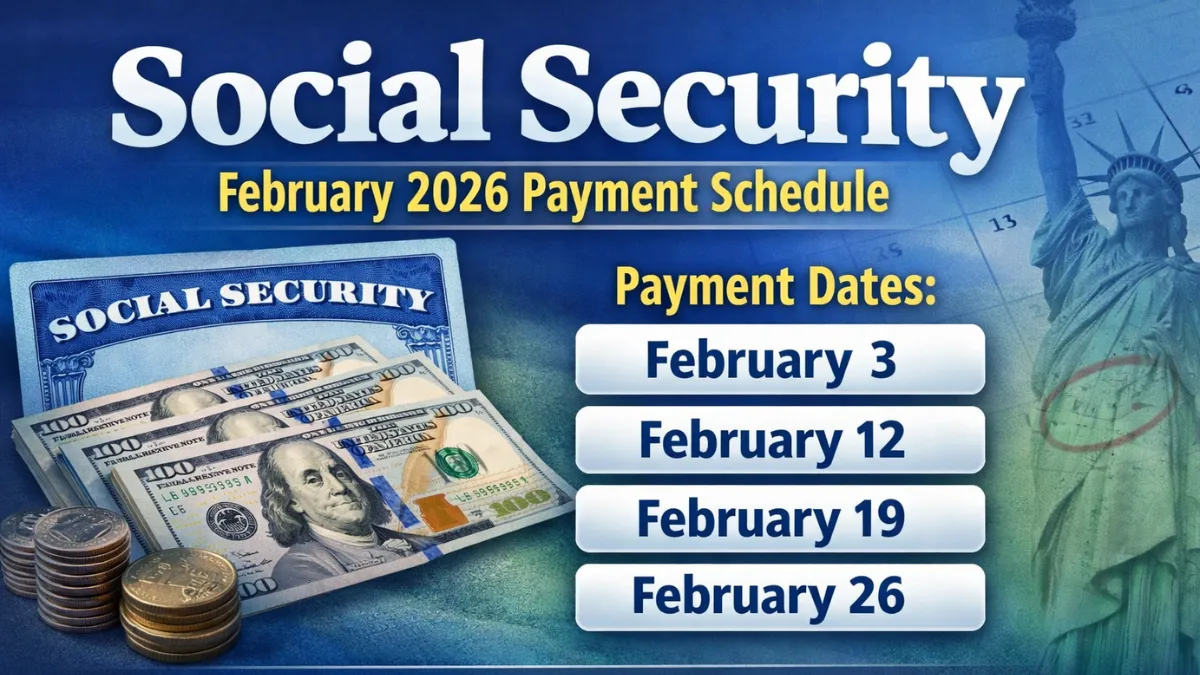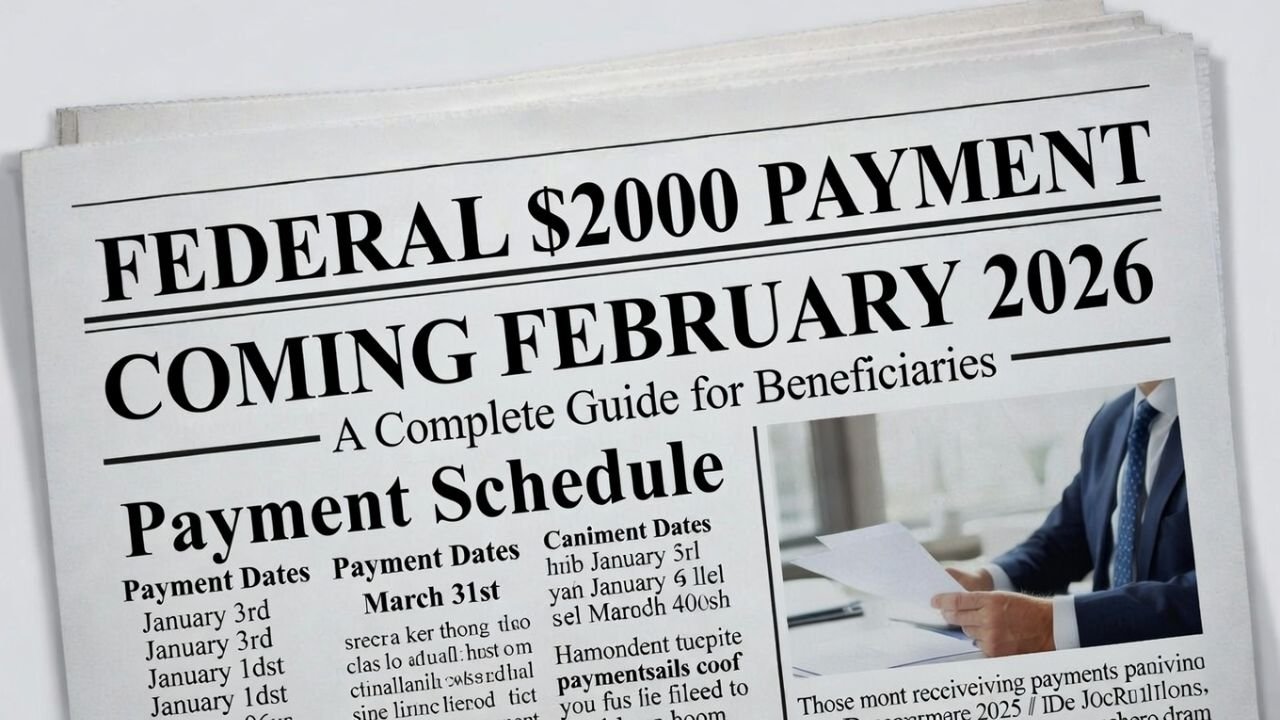
As February 2026 gets closer, talk about a possible federal $2,000 payment is spreading across the United States. Retirees, people with disabilities, and low-income households are paying close attention to these claims. With rent, groceries, utilities, and medical costs still high, even a one-time payment feels meaningful for families trying to stretch limited income.
Much of the interest comes from ongoing financial pressure rather than a confirmed policy change. Many households feel that recent benefit increases have not kept up with real-world expenses, especially for those living on fixed incomes.
No Approved $2,000 Payment for February 2026
Despite confident posts and headlines online, there is currently no approved federal law guaranteeing a $2,000 payment in February 2026. Congress has not passed legislation authorizing such a program, and no federal agency has released official payment details or schedules.

Government payments cannot be issued based on discussion alone. Any new program must go through Congress, receive funding approval, and be formally implemented. Until that process is completed, no payment can legally be sent.
Why These Claims Keep Appearing
The confusion largely comes from policy discussions being mistaken for final decisions. Early ideas, political statements, or informal proposals are often shared online as if they are already approved. Social media platforms amplify these messages quickly, especially when they include emotional language or bold claims.
During times of financial stress, hopeful news spreads faster than cautious explanations. Unfortunately, this can lead people to plan around money that may never arrive, creating unnecessary risk.
Who Might Be Considered If a Payment Is Approved
If lawmakers eventually approve a payment, it would likely be targeted rather than universal. Early conversations suggest that priority could be given to Social Security retirees, SSI and SSDI recipients, and possibly some veterans. These groups already receive federal payments, which would make distribution faster and simpler.
However, no eligibility rules have been finalized. No group has been officially confirmed, and payment amounts or income limits could change during the legislative process.
How Payments Would Likely Be Sent
If a real program were approved, payments would almost certainly be issued through existing federal systems. Direct deposit would be the main method for those already enrolled, while paper checks could be sent to others later. No legitimate federal payment would require applying through text messages, emails, or social media links.

Be Careful of Scams and Misinformation
Payment rumors often attract scammers. Fraudsters may promise guaranteed $2,000 deposits and ask for personal or banking information. Federal agencies do not contact people this way. Any real payment would be announced clearly through official government channels.
What Households Should Do Now
For now, the $2,000 payment remains a possibility, not a promise. Families should avoid making financial decisions based on unapproved claims and rely only on verified information from official sources.
Disclaimer
This article is for informational purposes only and does not provide financial, legal, or tax advice. Any federal payment program must be approved by the U.S. Congress and officially implemented by government agencies. Policies, eligibility rules, and timelines may change. Readers should rely on official government announcements for accurate and up-to-date information.