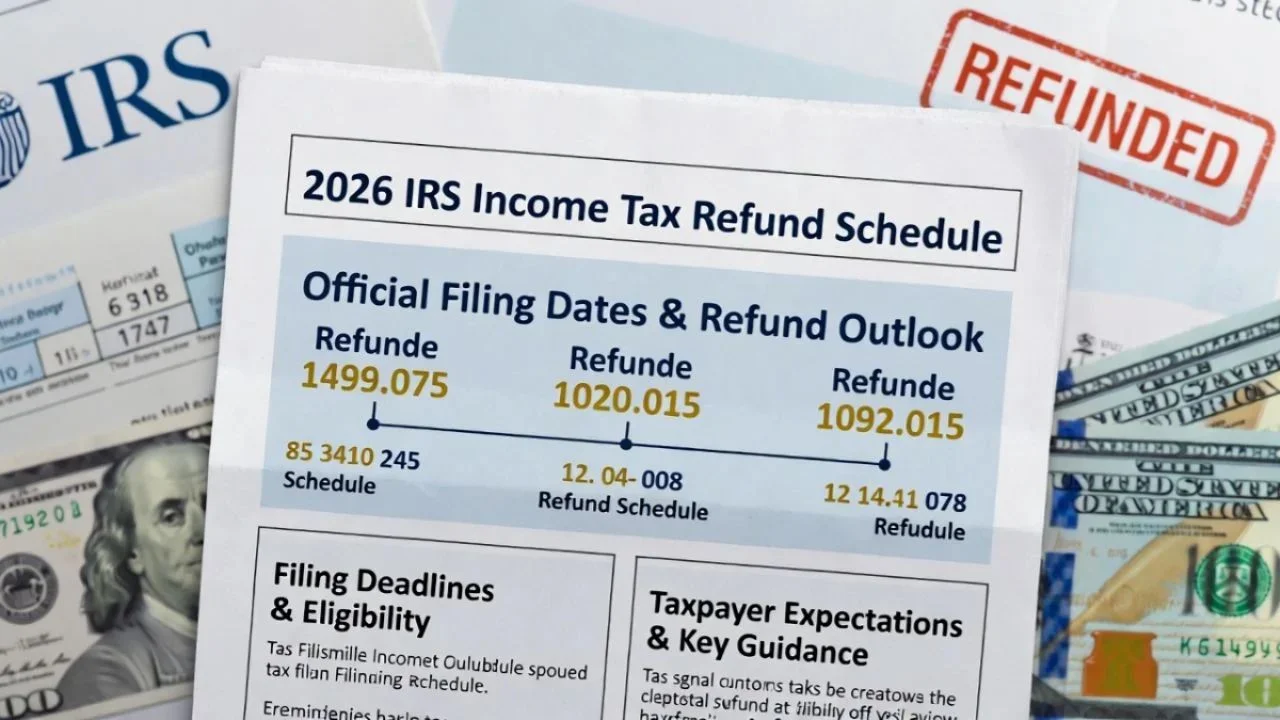
As the 2026 tax season moves forward, many Americans are closely watching for their IRS tax refunds. For millions of households, a refund is not extra spending money but an important financial reset. It is often used to pay rent, cover medical costs, buy groceries, or reduce debt left over from the previous year. This is why talk about $2,000 deposits arriving around early February has created strong interest.
It is important to be clear from the beginning. These deposits are not part of a new stimulus check or special federal payment. They are normal IRS tax refunds being issued under the standard tax filing process.
Why Early February Is a Common Refund Window
February has always been the first month when a large number of tax refunds begin reaching taxpayers. People who file early, usually in late January, are processed first. When returns are accurate and simple, the IRS can approve refunds more quickly. For families under financial pressure, even a few weeks’ difference can matter.

Early refunds often help households avoid late fees, catch up on utility bills, or reduce reliance on credit cards. While the money belongs to the taxpayer, receiving it as a lump sum early in the year can feel like critical relief.
When the IRS Starts Processing Returns
The IRS is expected to begin accepting 2025 tax returns in the last week of January 2026. Once filing opens, electronic returns go through automated checks that verify income and withholding details. If no problems are found, refunds move toward approval.
Because IRS systems have stabilized compared to earlier years, tax experts expect smooth processing for straightforward returns. This makes early February a realistic time frame for the first wave of refunds.

Why February 9 Is Often Mentioned
The date of February 9, 2026, appears frequently because it fits within normal IRS processing timelines. Historically, taxpayers who file electronically and choose direct deposit may receive refunds within 10 to 21 days. If filing begins in late January, early February becomes a likely window for deposits.
This does not mean February 9 is guaranteed. It simply falls within the earliest possible range for uncomplicated returns.
Why Filing Method Matters
Electronic filing is much faster than mailing a paper return. It reduces errors and avoids manual handling delays. Choosing direct deposit speeds things up even more by eliminating mailing time.

People who combine e-filing with direct deposit almost always receive refunds sooner than those who file by mail and request checks.
Understanding the $2,000 Refund Amount
The $2,000 figure is not a standard payment. Many households receive refunds near this amount due to withholding, deductions, and credits. Some will receive more, others less, and some may owe taxes instead. Refunds are calculated individually, not set by the government.
Why Some Refunds Take Longer
Returns that include certain refundable credits must go through extra review and are often delayed until mid-February or later. Identity checks or income mismatches can also slow processing. These delays are normal and meant to protect taxpayers.
Tracking Your Refund Safely
The most reliable way to follow your refund is through the IRS “Where’s My Refund?” tool. It provides real updates directly from the IRS and is far more accurate than social media claims or refund charts.
What to Expect Moving Forward
Early filers with simple returns may see refunds in early February, while others may wait longer. No single date applies to everyone. Filing early, filing electronically, and choosing direct deposit give you the best chance of receiving your refund sooner.
Disclaimer
This article is for informational purposes only and does not provide financial, legal, or tax advice. IRS refund amounts and deposit timelines vary based on individual tax situations and processing conditions. Readers should rely on official IRS resources or consult a qualified tax professional for guidance specific to their circumstances.