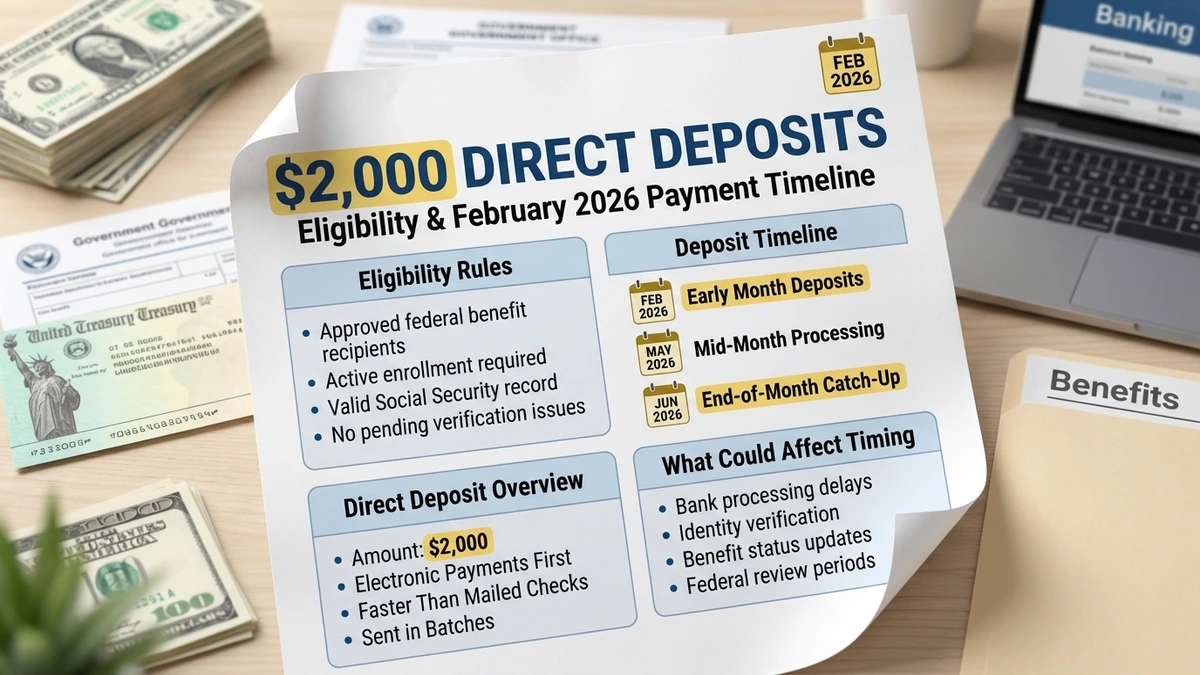
As the 2026 tax filing season continues, February is a key month for millions of Americans waiting for their IRS tax refunds. For many households, a refund is not extra spending money. It is often used to pay rent, cover medical bills, manage education costs, or reduce debt carried over from the previous year. With everyday expenses still high, the timing of refunds matters as much as the amount.
Why Refund Dates Are Not Fixed
Unlike stimulus payments, IRS tax refunds do not follow one national payment date. Refund timing depends on when a return is filed, how it is filed, and whether the IRS needs extra review. This uncertainty creates stress every year. In 2026, the IRS is following its usual processing pattern, but with a stronger focus on digital filing and fraud prevention.
How the IRS Processes Returns
Once a tax return is submitted, it goes through automated checks and, in some cases, manual review. Electronic returns are processed first because they enter the system immediately. The IRS compares income information with employer records and checks eligibility for credits. When everything matches, approval can happen relatively quickly.

Some refunds take longer. Returns that include refundable credits or require identity verification often face additional review. These steps are meant to protect taxpayers from fraud, even though they can delay refunds.
Filing Method Makes a Big Difference
How a return is filed plays a major role in refund speed. Electronic filing remains the fastest and most reliable option. It reduces errors and allows taxpayers to track progress sooner. Paper returns take much longer because they must be handled manually, often adding weeks to processing time.
How Refunds Are Paid
Direct deposit is the fastest way to receive a refund. Once approved, funds usually appear in bank accounts within a few days. Paper checks take longer and depend on mail delivery, which can cause delays. Taxpayers hoping for a February refund benefit most from using e-filing and direct deposit together.

Understanding the $2,000 Refund Talk
Many people talk about $2,000 refunds in February, but this amount is not guaranteed. It comes from past averages, not a promise. Refunds depend on income, filing status, dependents, and credits claimed. Some people receive more, some less, and some owe taxes instead.
Who Gets Refunds First
Early filers with simple tax situations often receive refunds first. Those who file in late January or early February may see refunds by mid or late February if there are no issues. More complex returns may take longer due to additional checks.
What to Expect Moving Forward
The 2026 tax season is more stable than pandemic-era years, but verification steps remain strict. Filing early, checking information carefully, and using official IRS tools can help reduce delays and anxiety.

Disclaimer
This article is for informational purposes only and does not provide tax, legal, or financial advice. IRS refund amounts and timelines depend on individual tax situations, filing accuracy, and processing conditions. For the most accurate and up-to-date information, readers should consult the official IRS website or a qualified tax professional.